Premier Roofing Options: Keeping Your Home Safe and Secure
When analyzing roofing solutions, homeowners face a variety of choices. Each material provides distinct advantages and disadvantages, affecting both safety and aesthetics. From the affordability of asphalt shingles to the elegance of clay tiles, the decision often rests on personal preference and local climate. Understanding these options is critical, as well as identifying the signs that indicate a need for repair or replacement. What factors should one weigh in making this essential choice?
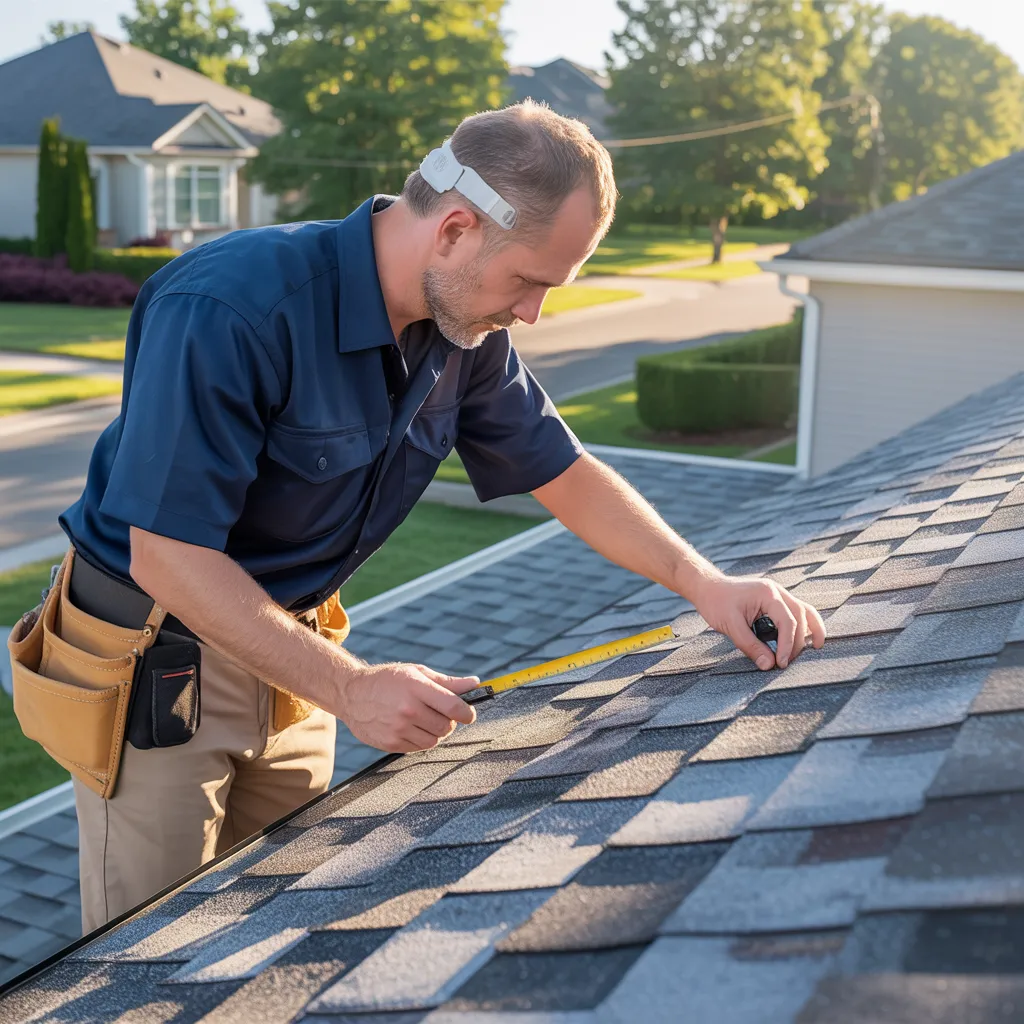
Overview of Widely-Used Roofing Choices: Pros and Cons
When selecting roofing materials, homeowners often evaluate the benefits and drawbacks of various options. Asphalt shingles are among the most popular due to their affordability and ease of installation, but they have a reduced durability compared to other materials. Clay tiles offer durability and aesthetic appeal, though their weight and higher cost can be difficult for some structures. Metal roofing is commended for its longevity and resistance to harsh weather, yet it may create noise and expansion issues. Wood shingles provide rustic charm and thermal protection but require regular maintenance to avoid rot and insect damage. Slate is known for its elegance and extreme durability but comes with a hefty price tag and necessitates professional installation. Finally, synthetic options, like rubber or plastic, replicate traditional materials while often being lighter and more affordable; however, their durability over time can vary. Each material offers unique advantages and disadvantages that homeowners must carefully evaluate.
The Rising Interest in Metal Roofing
Metal roofing has demonstrated a substantial surge in popularity among homeowners, propelled by its impressive durability and environmental friendliness. Unlike traditional roofing materials, metal roofs take action can endure extreme weather conditions, including heavy rain, snow, and high winds. This resilience not only prolongs the lifespan of the roof but also reduces the frequency of frequent repairs.
Additionally, metal roofing deflects solar heat, which can produce lower power bills during hot months. Homeowners are increasingly appreciating its green credentials, as many metal roofs are made from reclaimed materials and are fully recyclable at the end of their life cycle.
Metal roofing's visual charm has played a major role to its expansion, offering multiple color and design choices that complement any home style. With increasing demand in sustainable and durable building materials, metal roofing emerges as a top choice for contemporary homeowners pursuing functionality and aesthetic appeal.
The Advantages of Tile and Slate Roof Options
Tile and slate roofs provides significant advantages that attract homeowners seeking durable solutions. Recognized for their strength and longevity, these materials can resist severe weather conditions while preserving their integrity. Furthermore, the aesthetic options available improve the appearance of homes, making them a popular choice in different architectural styles.
Strength And Durability
A notable advantage of tile and slate roofing lies in their outstanding durability and lifespan. Both materials are recognized for their ability to withstand harsh weather conditions, including heavy rain, snow, and extreme temperatures. Unlike traditional roofing materials, tile and slate are resistant to rot, insects, and fire, which substantially reduces maintenance costs over time. Their lifespan can exceed 50 years, often lasting much longer with proper care, making them a worthwhile investment for homeowners. Additionally, their weight contributes to structural stability, providing further safeguarding against environmental stressors. By choosing tile or slate, homeowners can enjoy peace of mind knowing their roofing solution is built to endure, ultimately enhancing the overall safety and security of their homes.
Visual Appeal Variations
When assessing roofing options, homeowners often discover that tile and slate roofing not only offers durability but also improves the aesthetic appeal of their properties. These materials come in a range of colors and styles, allowing homeowners to select designs that complement their architectural vision. Tile roofing, with its Mediterranean charm, delivers a warm, inviting look, while slate roofing exudes sophistication and elegance. The natural textures and rich hues of slate add to a timeless appeal, making it a popular choice for upscale homes. Additionally, both materials are resistant to fading, guaranteeing that their beauty lasts for decades. Ultimately, tile and slate roofing not only protects a home but also elevates its overall visual impact.
Asphalt Shingles Roof Advantages for Homeowners
Many homeowners determine asphalt shingles to be an superior roofing option due to their low cost and endurance. This type of roofing material is identified for its cost-effectiveness, making it accessible for a wide range of budgets. In addition, asphalt shingles offer a lifespan of 15 to 30 years, depending on the quality and maintenance, providing a solid investment for homeowners.
The selection of colors and styles accessible allows for adaptation to boost a property's visual appeal. Additionally, asphalt shingles are quite straightforward to fit, which can lead to decreased labor fees. They also operate reliably in different climatic situations, contributing to their widespread use.
An additional important advantage is their resistance to fading and damage from UV rays, making certain that roofs keep their appearance over time. Overall, asphalt shingles deliver a practical and attractive roofing solution for homeowners seeking trustworthiness and cost-effectiveness.
Best Roofing Choices for Your Weather
Selecting the right roofing material is important, as it must handle the distinct challenges created by different climates. In cold regions, homeowners should emphasize options that provide insulation and prevent snow accumulation, while those in hot climates may take advantage of materials that absorb heat and boost energy efficiency. Understanding these aspects can inform effective roofing choices adapted to environmental conditions.
Cold Climate Aspects
When property owners in cold climates think about roofing options, they must assess material durability and insulation properties to withstand harsh weather conditions. The most reliable roofing materials include metal, asphalt shingles, and slate. Metal roofs offer outstanding durability and resistance to snow accumulation, while asphalt shingles provide a cost-effective solution with adequate insulation. Slate, though more expensive, delivers remarkable durability and aesthetic appeal. Additionally, adequate insulation and air circulation are vital to prevent ice dam formation and moisture buildup, which can lead to structural damage. Homeowners should also review local building codes and climate-specific recommendations to guarantee their roof can endure heavy snowfall and extreme temperatures, ultimately protecting their homes against the elements.
Hot Climate Options
As distinguished from the hurdles found in cold climates, homeowners in hot regions need to emphasize heat resistance and energy efficiency during their roofing material procurement. Well-regarded options such as reflective metal roofs are sought after for their ability to deflect sunlight, reducing the amount of heat absorbed. Materials of concrete and clay tiles provide remarkable thermal performance paired with long-lasting quality and beauty. In addition, cool roofing systems incorporating specialized coatings capable of reflecting increased sunlight can considerably diminish interior temperatures. Insulation serves as a vital part, aiding in sustaining an comfortable indoor setting. To summarize, choosing the proper roofing option boosts comfort while also fostering energy economy, serving as an key deliberation for homeowners in hot climates.
Symptoms That Mean You Need a Roof Renovation or Maintenance?
How can homeowners assess whether their roof calls for replacement or maintenance? Several tell-tale signs suggest potential concerns. First, visible damage such as lacking shingles, curling corners, or significant granule loss suggests deterioration. Residents should also inspect for water discoloration or moist areas on ceilings and walls, which can signal moisture problems. If light is noticeable through gaps in the roof or attic, it reveals structural compromise.
Additionally, drooping sections may suggest underlying structural problems, demanding urgent action. A roof's maturity is also a vital factor; most roofs last between 20 to 25 years. If a roof is approaching this age and exhibits multiple indicators of deterioration, replacement may be required. Routine checks after severe weather events can help spot problems promptly. By recognizing these signs, homeowners can make informed decisions about the condition of their roofs and guarantee their homes stay safe and secure.
Tips for Caring for Your Roof to Prolong Its Lifespan
Maintaining a roofing system for longevity requires regular attention and proactive care. Inspecting the roof regularly, preferably two times a year, allows homeowners to notice any damage or wear. The process involves looking for missing shingles, cracks, and any build-up of debris. Cleaning gutters is essential, as clogged gutters can lead to water pooling and potential leaks.
Moreover, cutting back overhanging branches can prevent harm caused by falling limbs and minimize moss growth, which can damage roofing materials. Using a protective coating can also enhance longevity from harsh weather conditions.
Furthermore, maintaining adequate airflow in the attic helps regulate temperature and moisture levels, minimizing the risk of rot and mold. Hiring an expert for periodic maintenance can provide peace of mind, as experts can spot issues that may go overlooked. By adopting these strategies, homeowners can greatly prolong the durability of their roofs, ensuring safety and security for their homes.
Often Asked Questions
What's the Best Way to Pick a Qualified Roofing Contractor?
In order to locate the proper roofing contractor, one needs to look into qualifications, study reviews, review quotes, validate insurance, and facilitate direct communication. A comprehensive selection process can achieve a successful and satisfying roofing project.
What Is the Common Lifespan of Various Roofing Materials?
Roofing materials have varying lifespans: asphalt shingles last 15-30 years, metal roofs can endure 40-70 years, clay tiles often reach 50-100 years, and slate roofs may last over a century with proper upkeep.
Do Roofing Warranties Justify the Financial Commitment?
Roofing warranties could be beneficial investments as they provide financial protection against defects and premature wear. However, their value often copyrights on material quality and the specifics of the warranty coverage offered.
In What Ways Can I Better Improve My Roof's Energy Performance?
To enhance a roof's energy performance, one can apply reflective roof coverings, upgrade insulation, fix leaks, and incorporate ventilation systems. These measures help control temperature fluctuations, reduce energy costs, and promote a more eco-friendly home.
What Are the Expenses Associated With a Roof Replacement?
Expenses connected to roof replacement usually fall from $5,000 to $20,000, contingent on materials, labor, and the roof's size. Further elements include geographical location and the difficulty of the roofing system.